Understanding EOTRH: A Painful but Often Hidden Dental Disease in Horses
If you’ve been around horses long enough, chances are you’ve heard the acronym EOTRH — or unfortunately, have known a horse affected by it. EOTRH stands for Equine Odontoclastic Tooth Resorption and Hypercementosis, and while the name alone is intimidating, the condition itself can be even more concerning. EOTRH is a progressive dental disease that primarily affects a horse’s incisor teeth.
Despite how commonly it’s discussed, we still know surprisingly little about what causes it. There are several theories, but no single confirmed origin. What is well understood, however, is that EOTRH can cause significant discomfort and pain over time if left untreated.
Why EOTRH Can Be Hard to Catch
One of the most challenging aspects of EOTRH is how subtle it can be in the early stages. Many horses appear completely normal — they eat well, maintain weight, and continue their regular routines. Because of this, the condition often progresses quietly before more obvious signs appear.
As it advances, you may begin to notice changes such as:
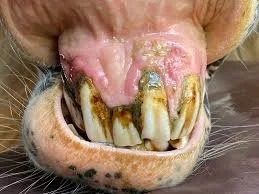
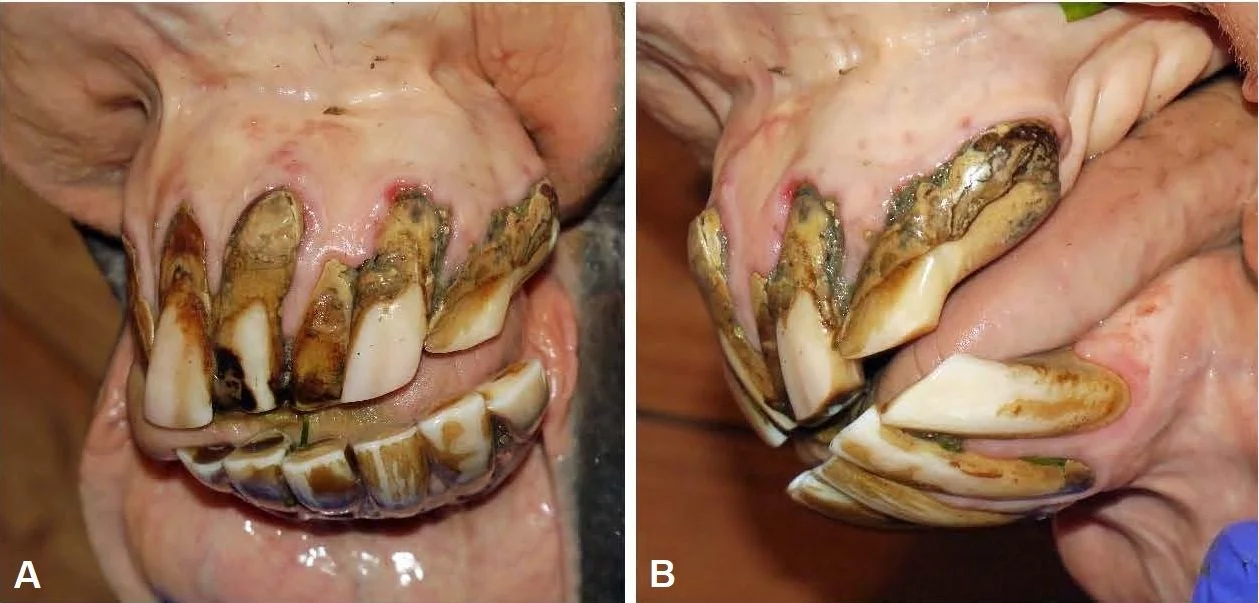
Swelling or a bulbous appearance of the gums above the incisors
Small pimples or pustule-like lesions forming along the gum line
Sudden loss of an incisor, or fractures of the incisor teeth without obvious trauma
New resistance to accepting the bit
Reluctance to graze or difficulty using a hay net
One particularly telling sign is how a horse reacts during dental care. Horses with EOTRH are often extremely resentful of having an oral speculum placed for a routine dental exam or float. In some cases, this discomfort during dental work may be the first — and only — outward sign that something more serious is happening.
How EOTRH Is Diagnosed
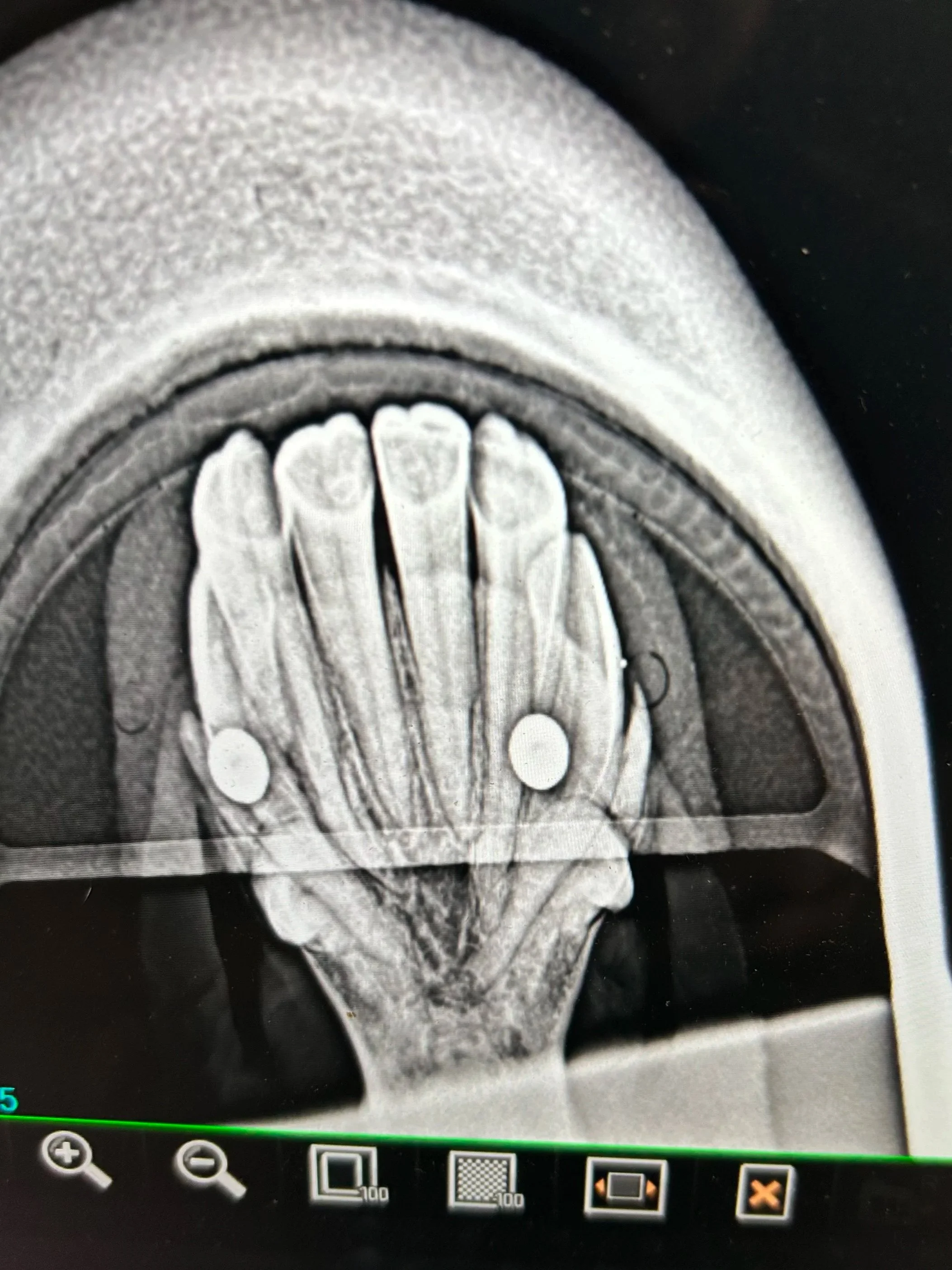
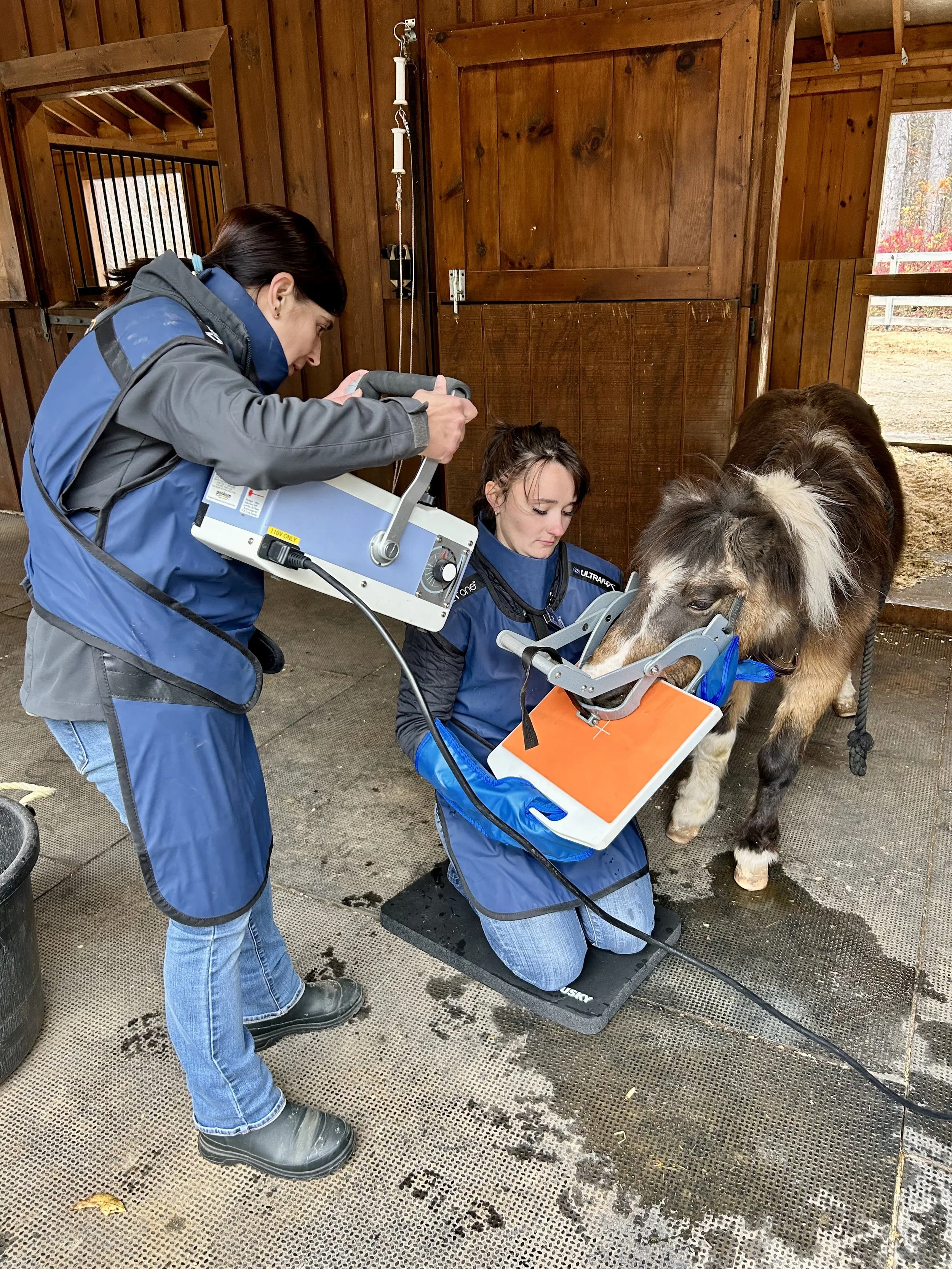
If EOTRH is suspected, a visual exam alone is not enough. The only way to officially diagnose the condition is through radiographs of the incisor teeth. X-rays allow veterinarians to identify characteristic changes, including abnormal tooth root shapes and erosion of the surrounding bone — hallmark indicators of EOTRH.
Treatment: Why Extraction Is the Best Option
Currently, there is only one effective treatment for EOTRH: extraction of the affected incisors. In many cases, this means removing all of them. While this can sound extreme — and understandably alarming for horse owners — the outcome is often incredibly positive. Horses suffering from EOTRH experience profound relief once the painful teeth are removed. Many owners report noticeable improvements in comfort, attitude, willingness to eat, and overall quality of life. Horses adapt remarkably well to life without their incisors, continuing to eat hay, grass, and grain successfully with appropriate management.
The Takeaway
EOTRH is a condition that deserves attention, awareness, and early discussion. Because it can be easy to miss in its early stages, regular dental exams and open communication with your veterinary team are essential. Recognizing subtle changes — especially behavioral ones — can make all the difference in identifying this painful disease and restoring a horse’s comfort.